

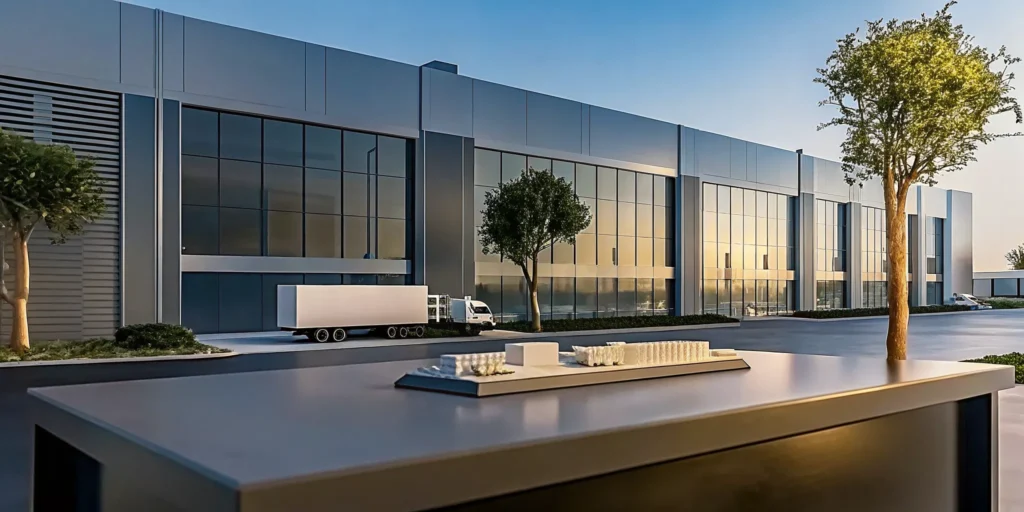
You’ve seen the trends firsthand: the rise of e-commerce, the shift to local delivery, and the migration of businesses to suburban markets. These aren’t just headlines; they are powerful economic forces creating sustained demand for a specific type of real estate. Flex industrial properties are the physical backbone of this new economy, providing the adaptable spaces that modern businesses need to thrive. They are the last-mile distribution hubs, the local production facilities, and the R&D labs driving innovation. For investors, the question isn’t whether this trend is real, but how to participate in it. This is where learning what is a flex industrial real estate fund becomes so important. It’s a strategic way to invest in a diversified portfolio of properties positioned to benefit directly from these long-term shifts.
Key Takeaways
- Focus on Adaptable Assets for Stability: Flex industrial properties are designed to be versatile, attracting a wide range of tenants from e-commerce to light manufacturing. This built-in tenant diversity creates a more resilient income stream, protecting your investment from the ups and downs of any single industry.
- Gain Access to a Professionally Managed Portfolio: Investing in a fund allows you to own a piece of multiple properties without the headaches of being a landlord. Your returns come from two sources: regular cash flow from tenant rent and long-term value growth as the operator improves the assets.
- Vet the Operator, Not Just the Properties: The most critical factor in your investment’s success is the team managing it. Before you invest, thoroughly evaluate the operator’s track record, their hands-on management strategy, and how well their goals align with yours.
What Is a Flex Industrial Real Estate Fund?
A flex industrial real estate fund is a pooled investment that acquires and manages a portfolio of flex industrial properties. Think of it as a way to invest in multiple, high-potential properties at once, without the burden of day-to-day management. These buildings are uniquely designed to be adaptable, often combining office, warehouse, showroom, and light manufacturing space under one roof. This versatility is their defining feature and a core reason they are becoming a popular asset class for investors seeking stable, income-producing assets.
Unlike traditional, single-use properties, flex spaces cater to a wide variety of modern businesses that need more than just a desk or a loading dock. By investing in a fund, you gain fractional ownership in a diversified collection of these properties, all selected and managed by an experienced operator. The fund’s primary goal is to generate returns for investors through consistent rental income and the long-term appreciation of the assets. At QC Capital, we focus on flex space opportunities in high-growth markets, where demand from quality tenants is strong. This disciplined approach allows us to build a portfolio designed for steady cash flow and durable value.
How Flex Funds Differ from Traditional Real Estate
The primary difference between flex industrial properties and traditional real estate lies in their inherent adaptability. A standard office building or warehouse serves a single purpose, making it vulnerable if demand in that specific sector declines. Flex properties, however, can serve tenants from various industries, including e-commerce, light manufacturing, and service-based businesses.
This built-in versatility creates a more resilient investment. Because these buildings attract a broader tenant base, they tend to maintain higher occupancy rates even during economic shifts. This diversification within a single asset provides a buffer against market volatility that single-use properties lack. Our investment strategy prioritizes assets like these because their ability to pivot helps protect investor capital and produce more reliable income streams over the long term.
A Look Inside: Types of Flex Properties
Flex properties are not one-size-fits-all; they are specifically designed to be multi-functional. Typically, a flex building features a front portion with finished office or showroom space, often accounting for 10% to 30% of the total square footage. The remainder of the building is warehouse or light industrial space, characterized by higher ceilings, roll-up garage doors, and durable construction.
This hybrid layout is ideal for businesses that need to house their administrative, production, and distribution functions in one location. For example, a local craft brewery might have a taproom and offices at the front with its brewing and canning operations in the back. Similarly, an e-commerce brand could run its marketing and customer service teams from the office space while managing inventory and shipping from the warehouse. You can see examples of these assets in our portfolio.
Who Rents Flex Industrial Space?
One of the most compelling features of flex industrial properties is their incredible versatility. Unlike a traditional office building or a massive warehouse, these spaces aren’t built for a single purpose. Instead, they are designed to be adapted, which means they attract a broad and diverse range of tenants. For an investor, this tenant diversity is a powerful form of risk management. When your property can serve a light manufacturer one day and a tech startup the next, it’s less vulnerable to the ups and downs of any single industry. This consistent demand is a key reason why flex space opportunities are a cornerstone of a resilient real asset portfolio.
This adaptability keeps vacancy rates low and provides a steady stream of income. The tenant base for flex properties generally falls into a few key categories, each with unique needs that these hybrid spaces are perfectly suited to meet. From local artisans and e-commerce shops to cutting-edge research firms, the businesses that occupy flex spaces are often the engines of the local economy. They are established, growing, and essential, making them reliable, long-term tenants. Understanding who these tenants are and what they need is the first step in seeing the true value of flex industrial real estate.
Light Manufacturing and Production
Think of the businesses that create tangible goods on a smaller scale. This includes companies like custom cabinet makers, craft breweries, coffee roasters, and specialty food producers. These tenants need more than just a storefront or an office; they need a functional workspace. Flex properties provide the ideal setup, with a warehouse or workshop area in the back for production, assembly, and storing materials. At the same time, the front portion can serve as a small office for handling orders, meeting with clients, or even a small showroom to display their products. This hybrid model allows them to consolidate their entire operation under one roof, which is both efficient and cost-effective.
Tech and Innovation Hubs
The tech world moves fast, and companies in this sector need real estate that can keep up. Flex space is a perfect match for research and development (R&D) firms, biotech labs, and other innovation-focused businesses. These tenants often require a mix of environments: clean lab space for testing and experiments, open-plan workshop areas for building prototypes, and traditional office space for their engineers and administrative teams. A flex property allows them to create this customized environment without committing to a large, specialized, and expensive facility. This agility is critical for companies that are scaling quickly or whose spatial needs may evolve as their projects do.
E-Commerce and Last-Mile Delivery
The rapid growth of online shopping has created massive demand for strategically located industrial space. E-commerce businesses, from small online boutiques to third-party logistics (3PL) providers, use flex properties as mini-distribution hubs. They use the warehouse portion for inventory storage and order fulfillment, and the office space for managing their online operations. More importantly, these properties are often located in suburban areas, close to where customers live. This makes them essential for “last-mile delivery,” the final and most critical step in getting a package to a customer’s doorstep. This direct link to a major economic trend is a core part of our investment strategy and a key driver of long-term value.
How Do Flex Industrial Funds Work?
So, how does an investment in flex industrial space actually work? Unlike buying a property on your own, investing in a fund means you’re pooling your capital with other investors. This collective approach allows the fund to acquire, improve, and manage a portfolio of properties that would be difficult for an individual to access alone. A professional management team, like QC Capital, handles all the heavy lifting, from finding the right properties to managing tenants and operations. This structure is designed to give you the benefits of real estate ownership without the day-to-day landlord duties.
Fund Structure and How You Invest
Think of a flex industrial fund as a specialized private equity fund focused on real estate. When you decide to invest, you commit a certain amount of capital. The fund manager then combines your investment with capital from other investors to build a portfolio of flex properties. The manager’s job is to identify assets that fit the fund’s specific criteria, perform due diligence, and acquire them. Because these properties are so versatile, they can serve a wide range of tenants, from e-commerce businesses to light manufacturers. This adaptability is a key reason for the growing demand for last-mile logistics, which helps create a more resilient and diversified investment.
How Your Investment Generates Returns
Your investment in a flex industrial fund is designed to generate returns in two primary ways: consistent cash flow and long-term appreciation. First, the fund collects rent from all the tenants across its portfolio of properties. After covering operating expenses like maintenance, insurance, and management fees, the remaining net income is distributed to investors as regular cash flow. Second, the fund works to increase the value of the properties over time. This is done through strategic renovations, operational improvements, and proactive management that keeps occupancy high. As the e-commerce boom continues to fuel a surge in demand for these spaces, well-managed properties can appreciate significantly, leading to a profitable exit when the fund eventually sells the assets.
Investment Minimums and Investor Requirements
Let’s talk about what it takes to get started. Investment minimums for flex industrial funds can vary widely, but they are typically geared toward individuals with significant capital. You might see minimums ranging from $25,000 to over $1 million, depending on the fund’s strategy and scale. Most of these opportunities are available to accredited investors, a designation defined by the SEC for individuals who meet certain income or net worth requirements. While the average minimum for many private equity real estate funds has historically been high, some firms are offering more accessible entry points. This structure ensures that investors have the financial capacity to handle the risks associated with private market investments.
Trends Fueling Demand for Flex Space
Flex industrial real estate isn’t just growing; it’s being actively shaped by some of the biggest economic shifts happening right now. For investors, understanding these forces is key to seeing the opportunity. From the way we shop to where we live and work, major trends are converging to create sustained demand for these versatile properties. Unlike assets tied to speculation, flex space serves tangible, everyday business needs, which gives it a layer of stability.
At QC Capital, we focus on assets that are essential. We see the demand for flex space as a direct reflection of fundamental changes in modern commerce and lifestyles. By acquiring properties that cater to these trends, we can apply our hands-on operational expertise to improve them, enhance their value, and generate consistent cash flow. This approach allows us to build a portfolio designed for resilience and long-term performance. Let’s look at the three most significant drivers pushing flex space forward.
The Growth of E-Commerce and Local Supply Chains
The explosion of e-commerce has completely changed how businesses get products to your doorstep. Customers now expect fast, often same-day, delivery. To meet this demand, companies are moving away from giant, centralized warehouses and toward a network of smaller, local facilities that can quickly serve a specific region. This “last-mile” logistics network is critical for staying competitive.
This is where flex space shines. A single property can serve as a mini-warehouse, a distribution hub, and even a center for light assembly or product customization. Its hybrid nature allows a business to store, process, and ship goods all from one convenient location. This adaptability makes it an essential asset for modern commerce, fueling demand from a wide range of e-commerce businesses and third-party logistics providers.
The Move to Suburban Markets
At the same time that supply chains are getting more local, both businesses and people are increasingly moving to the suburbs. Since 2015, the number of flex properties in suburban markets has surged by approximately 300%. This isn’t a coincidence. Businesses are following their customers and employees, who are drawn to the suburbs for more space and a lower cost of living.
For companies, setting up shop in these areas means access to a strong labor pool and more affordable real estate compared to dense urban cores. This strategic shift is creating a surge in demand for well-located suburban flex properties. Our investment strategy targets these high-growth areas, allowing us to acquire assets that are positioned directly in the path of commercial and residential expansion.
The Role of Sustainability and Technology
Today’s flex spaces are a far cry from the simple warehouses of the past. Technology and sustainability are now major factors for tenants, and therefore, for investors. Businesses are actively looking for properties that help them operate more efficiently and meet their environmental goals. This can include anything from energy-efficient lighting and modern HVAC systems to advanced security and EV charging stations for delivery fleets.
As hands-on operators, we see this as a clear opportunity. By acquiring properties and making these strategic upgrades, we not only meet modern tenant demand but also create a more valuable, future-proof asset. This approach of improving how properties operate is central to who we are at QC Capital. It allows us to increase a property’s value and generate consistent cash flow for our investors.
Why Add a Flex Industrial Fund to Your Portfolio?
If you’re looking to strengthen your portfolio, it’s smart to consider assets that perform differently than traditional stocks and bonds. Flex industrial real estate offers a compelling mix of diversification, stability, and income potential that can complement your existing investments. Unlike single-purpose properties that are vulnerable to market shifts, flex spaces are built for adaptability. This versatility is what makes them such a powerful addition for investors focused on long-term value and consistent returns.
Let’s look at the three main reasons why a flex industrial fund deserves a place in your portfolio.
Diversify with a Mix of Tenants
One of the biggest strengths of flex industrial properties is their ability to attract a wide range of tenants. Think about it: a single property might house a local e-commerce business, a light manufacturing workshop, and a regional sales office all at once. This built-in tenant diversity acts as a powerful buffer against risk. If one industry faces a downturn, your investment isn’t solely dependent on its success. By spreading occupancy across different sectors, from tech startups to last-mile delivery services, the fund can maintain more consistent income streams. This approach is a core part of a sound investment strategy designed to protect capital and deliver reliable performance over time.
Find Stability in Any Economic Climate
Flex industrial spaces have a track record of resilience, even when the broader economy feels uncertain. The essential services these properties support, like local distribution, skilled trades, and light production, tend to remain in demand regardless of market cycles. Because these buildings are so versatile, tenants can easily adapt their operations to changing conditions instead of moving out. This inherent flexibility provides a buffer against the economic swings that can impact traditional office or retail assets. As a result, flex properties often maintain higher occupancy rates and provide a more stable source of income through various economic climates, making them a dependable component of an investment portfolio.
Generate Cash Flow and Long-Term Value
For investors focused on returns, flex industrial properties offer a powerful combination of steady income and growth potential. The high demand from a diverse tenant base allows for competitive rental rates, which directly translates into consistent cash flow for the fund. Furthermore, these assets often require a lower initial investment for acquisition and renovation compared to large office towers or retail centers. This allows an experienced operator to add significant value through strategic improvements and hands-on management. By enhancing the properties, we can attract quality tenants and increase the asset’s long-term worth, creating opportunities for both immediate income and future appreciation. You can see how we apply this approach to our flex space opportunities.
Understanding the Risks of Flex Industrial Investing
Every investment comes with its own set of risks, and flex industrial space is no exception. The key isn’t to find an investment with zero risk, but to partner with an operator who understands how to manage it. A clear-eyed view of the potential challenges is the first step toward making a smart decision for your portfolio. While flex properties are known for their resilience, it’s important to be aware of the factors that can influence performance, from broad economic shifts to the specific operational needs of a building.
An experienced sponsor will have a plan to address these variables from day one. At QC Capital, our investment strategy is built on hands-on operations and disciplined execution, which allows us to directly manage these risks and protect investor capital. We focus on what we can control: improving the asset, optimizing operations, and creating a best-in-class experience for tenants. This proactive approach is designed to create stability and consistent cash flow, even when faced with market uncertainties. Let’s walk through the primary risks associated with flex industrial investing and how a skilled operator addresses them head-on.
Market and Economic Cycles
Like all real estate, flex industrial properties are subject to broader economic trends. A downturn can soften tenant demand, and while demand for flex space has been strong, it can change in certain areas, especially if global supply chains are disrupted. An operator must perform rigorous market analysis before an acquisition, selecting properties in areas with diverse economic drivers and a clear need for this type of asset. This helps insulate the investment from localized slumps and ensures it’s well-positioned for long-term growth by targeting markets with durable, fundamental demand.
Zoning and Regulatory Hurdles
What a tenant can do in a space is dictated by local zoning laws and building codes. These regulations can be complex, and you need to check them carefully, as they can limit how the space can be used and affect its potential tenant pool. For example, a municipality might restrict light manufacturing activities or have specific requirements for parking and building modifications. A thorough due diligence process is critical. An experienced team will investigate local regulations early on to confirm that a property’s intended use is permitted, avoiding costly surprises and delays down the road. This foresight ensures the asset can be adapted to meet the needs of high-quality tenants.
Tenant Turnover and Vacancy
One of the strengths of flex industrial is its ability to house multiple tenants, but that also means managing leases for several businesses at once. When a tenant’s lease expires or they decide to leave, the property experiences a vacancy, which means a temporary loss of rental income. The best way to manage this risk is by maintaining a diverse mix of tenants across different industries. Buildings with several tenants spread out the risk if one tenant leaves. Unlike a single-tenant building where one departure creates 100% vacancy, a multi-tenant property is much more resilient. Proactive lease management and strong tenant relationships also help ensure high retention rates, keeping the property occupied and generating consistent income.
Property Management and Maintenance Costs
Flex properties have unique operational needs. Because they have both office and industrial parts, maintenance costs can be higher than for a standard office building. HVAC systems need to service both climate-controlled offices and open warehouse areas, while large roll-up doors and durable flooring require specialized upkeep from things like forklift wear. If not managed properly, these operational expenses can eat into returns. A hands-on property management approach is essential. By implementing preventative maintenance schedules and leveraging operational expertise, an operator can control costs, keep tenants happy, and preserve the long-term value of the asset.
Is a Flex Industrial Fund the Right Fit for You?
Deciding whether to add a flex industrial fund to your portfolio comes down to your investment goals. If you’re looking for an asset class that is straightforward, tangible, and tied to the everyday economy, flex space is worth a serious look. These properties are incredibly versatile, housing everything from light manufacturing and R&D labs to local breweries and e-commerce fulfillment centers. This adaptability creates a diverse tenant base, which can lead to more consistent and resilient income streams.
Unlike speculative ventures, investing in flex industrial is about creating value in the real world. The strategy often involves acquiring well-located but underperforming properties and improving them through hands-on management and strategic upgrades. This approach is designed to generate steady cash flow and build long-term equity. If your investment philosophy centers on owning essential assets and partnering with operators who have a clear plan for disciplined execution, a flex industrial fund could align perfectly with your strategy. The key is finding the right fund operator and understanding how to get started.
How to Vet a Fund Operator
The success of your investment depends heavily on the expertise of the fund operator. Before you even look at a specific fund, start by clarifying your own objectives. Are you seeking consistent cash flow to supplement your income, long-term appreciation, or a balance of both? Once you know what you’re looking for, you can evaluate whether an operator’s approach is the right match.
Look for a team with a proven track record in acquiring, managing, and improving the exact type of assets in the fund. A great operator is transparent about their investment strategy and can clearly explain how they create value beyond just buying a building. Don’t hesitate to ask detailed questions about their hands-on management process, tenant relationships, and past performance. Their answers will tell you everything you need to know about their experience and alignment with your goals.
Your Next Steps as an Accredited Investor
If you’ve done your research and feel that flex industrial aligns with your portfolio goals, you’re in a strong position. As an accredited investor, you have access to institutional-quality investment opportunities that aren’t available to the general public. This is a significant advantage, allowing you to partner with experienced firms and participate in deals with a higher potential for steady returns.
The timing is also favorable. The continued growth of e-commerce and a broader shift toward local supply chains are fueling strong, sustained demand for flex space. Your next step is to start a conversation. The best way to get comfortable with an investment is to speak directly with the people behind it. Reach out to our team to discuss your financial goals and learn more about how our flex industrial opportunities work.
Related Articles
- Flex Industrial Investment Fund | QC Capital Portfolio
- What Passive Investors Should Know About Flex Space Investing – QC Capital
- Flex Space Investing: Why This Emerging Asset Class Is Gaining Attention in 2025
Frequently Asked Questions
Why invest in a fund instead of buying a flex property myself? Investing in a fund gives you instant diversification, which is much harder to achieve on your own. Instead of putting all your capital into a single building, your investment is spread across a portfolio of properties with many different tenants. This approach reduces your risk. It also means you get the benefits of real estate ownership without the day-to-day responsibilities of being a landlord, since a professional team handles everything from acquisitions to property management.
What makes flex space a more stable investment than other types of real estate? The key is its adaptability. A traditional office building can only serve office tenants, but a flex property can house a wide variety of businesses, including e-commerce companies, light manufacturers, and tech firms. Because these properties attract a broader tenant base, they are less vulnerable to a downturn in any single industry. This versatility helps keep occupancy rates high and provides a more reliable income stream through different economic conditions.
How exactly does my investment make money? Your investment is designed to generate returns in two primary ways. First, you receive a share of the rental income collected from all the tenants in the portfolio. After covering operating costs, this net income is paid out to investors as regular cash flow. Second, the fund operator works to increase the value of the properties through strategic improvements and proactive management. When an asset is eventually sold, you participate in the profits from that long-term appreciation.
What happens if a tenant leaves? Isn’t that a big risk? While tenant turnover is a reality in real estate, a fund structure is specifically designed to manage this risk. Because the fund owns a portfolio of properties with numerous tenants, the financial impact of a single vacancy is spread out and minimized. If one tenant leaves, the income from all the other tenants provides a stable cushion while the management team works to fill the space. This is a significant advantage over owning a single-tenant building where one departure can stop all income.
How much capital do I need to get started, and what are the requirements? These investment opportunities are typically available to accredited investors, which is a designation from the SEC for individuals who meet specific income or net worth thresholds. The minimum investment amount can vary from one fund to another, but they are structured for those looking to deploy significant capital. The best way to understand the specific requirements and see if it’s a good fit for your financial goals is to have a direct conversation with the fund’s operator.