


. .
A full tunnel does not guarantee a profitable car wash investment. For accredited investors, durable results depend on the revenue engine, operating discipline, and the ownership structure behind the wash.
Schedule your call with QC Capital ->
Are car washes profitable for accredited investors? They can be, when traffic, pricing, monthly memberships, lean staffing, equipment uptime, and site selection support durable cash flow. The market is established: the U.S. Census Bureau counted 16,976 car washes with paid employees in 2019. Profitability still varies by wash format, operating margin, local competition, weather, repair costs, and ownership of the underlying real estate. Direct ownership brings control, but also staffing, utilities, maintenance, and daily execution. Owning the real estate may add asset exposure, while leasing changes the risk profile. Passive fund exposure shifts those operating duties to a manager and can offer portfolio-level exposure, but it remains a risk-bearing alternative investment, not guaranteed income.
The next question is direct: Are car washes profitable for accredited investors? The answer requires looking past gross sales to the operating levers and ownership structure beneath them. Start with what makes the model work, what can reduce returns, and how passive exposure differs from owning a wash. Here’s how.
Are car washes profitable for accredited investors?
Yes, car washes can be profitable, but the result depends on the asset and the operator. A strong site alone is not enough. The wash format, membership base, labor plan, financing terms, and daily execution all shape the outcome. Accredited investors should review these drivers rather than rely on broad industry averages.
The drivers behind car wash profitability
Site selection comes first. A convenient location can support repeat visits, while a weak traffic pattern can limit demand. The wash format also matters. Express car washes can use memberships to build recurring revenue, but operators must still retain members and maintain service quality.
Profitability also depends on cost control. Labor scheduling, equipment upkeep, water use, chemicals, and debt service affect operating cash flow. Seasonality can shift volume across the year, so a sound underwriting process should test more than one demand case.
Direct ownership versus passive fund exposure
Direct ownership gives an investor more control. It also places site selection, hiring, upkeep, marketing, financing, and operating decisions on the owner. That approach may fit an investor with the time, skill, and local knowledge to manage a service business.
Passive fund exposure offers a different path. An accredited investor can gain exposure to car wash assets while a fund manager handles acquisitions and operations. The SEC’s accredited investor overview explains the regulatory category. QC Capital’s car wash syndication models guide shows how this structure can work without direct ownership.
What accredited investors should review
The right question is not simply, “Are car washes profitable?” The better question is whether a specific investment has sound assumptions. A capable operator, and terms that fit the investor’s goals. No car wash investment offers guaranteed returns.
Before investing, review the business plan and ask how the operator selects sites, builds memberships, manages labor, and handles repairs. Check the financing structure and the plan for weaker demand periods. Investors can also review accredited investor car wash opportunities to see how passive investment differs from owning a wash outright.
What drives car wash revenue and margins?
When investors ask, “are car washes profitable,” the useful answer starts with unit-level operations. Revenue is not a fixed result of owning a wash. It depends on how often drivers visit, what they buy, and how well the site runs.
Location, traffic, and ticket mix
Location shapes the revenue base. A strong site combines visible access, convenient entry and exit points, and enough nearby traffic. Local competition also matters. Operators still need to convert passing cars into paying visits.
Average ticket is the next lever. Operators can offer wash packages and add-ons, such as tire shine or surface protectants. The goal is not to push every customer toward the highest-priced option. It is to match the package mix with local demand and a sound value proposition.
The industry includes many business models. The U.S. Census Bureau reported 16,976 car washes with paid employees in 2019. That scale does not make each site equal. Format, trade area, equipment, and service speed can all change the economics.
Recurring revenue and account quality
Unlimited membership programs can make revenue more predictable. They turn some one-time visits into recurring relationships and give operators a clearer view of customer retention. A strong program still requires care. Pricing, cancellation patterns, member usage, and service quality affect its value.
Fleet and commercial accounts can add another demand stream. Local businesses may need repeat washes for service vehicles, sales fleets, or delivery vans. These accounts can support volume, but operators should review pricing and capacity. Discounted visits should not crowd out higher-value demand during peak periods.
For accredited investors, the key question is how management tests these levers across sites. QC Capital’s overview of accredited investor car wash opportunities provides more context on portfolio exposure. Site-level reporting helps separate recurring revenue from short-term traffic gains.
Uptime, seasonality, and retention
Revenue depends on execution after a site opens. Equipment downtime can reduce throughput and frustrate customers. Staffing, preventive maintenance, chemical controls, and payment systems all affect how many cars a wash can serve.
Seasonality adds another layer. Weather, pollen, road salt, and travel patterns can change wash demand by market. Investors should treat short-term spikes as context, not a promise of future results. QC Capital’s discussion of proven car wash profit strategies explains why operators plan around seasonal demand.
Margins improve when a wash retains customers, keeps equipment available, and controls costs without weakening service. The best review looks beyond headline revenue. It asks whether traffic, package mix, memberships, accounts, uptime, and repeat visits support durable cash flow.
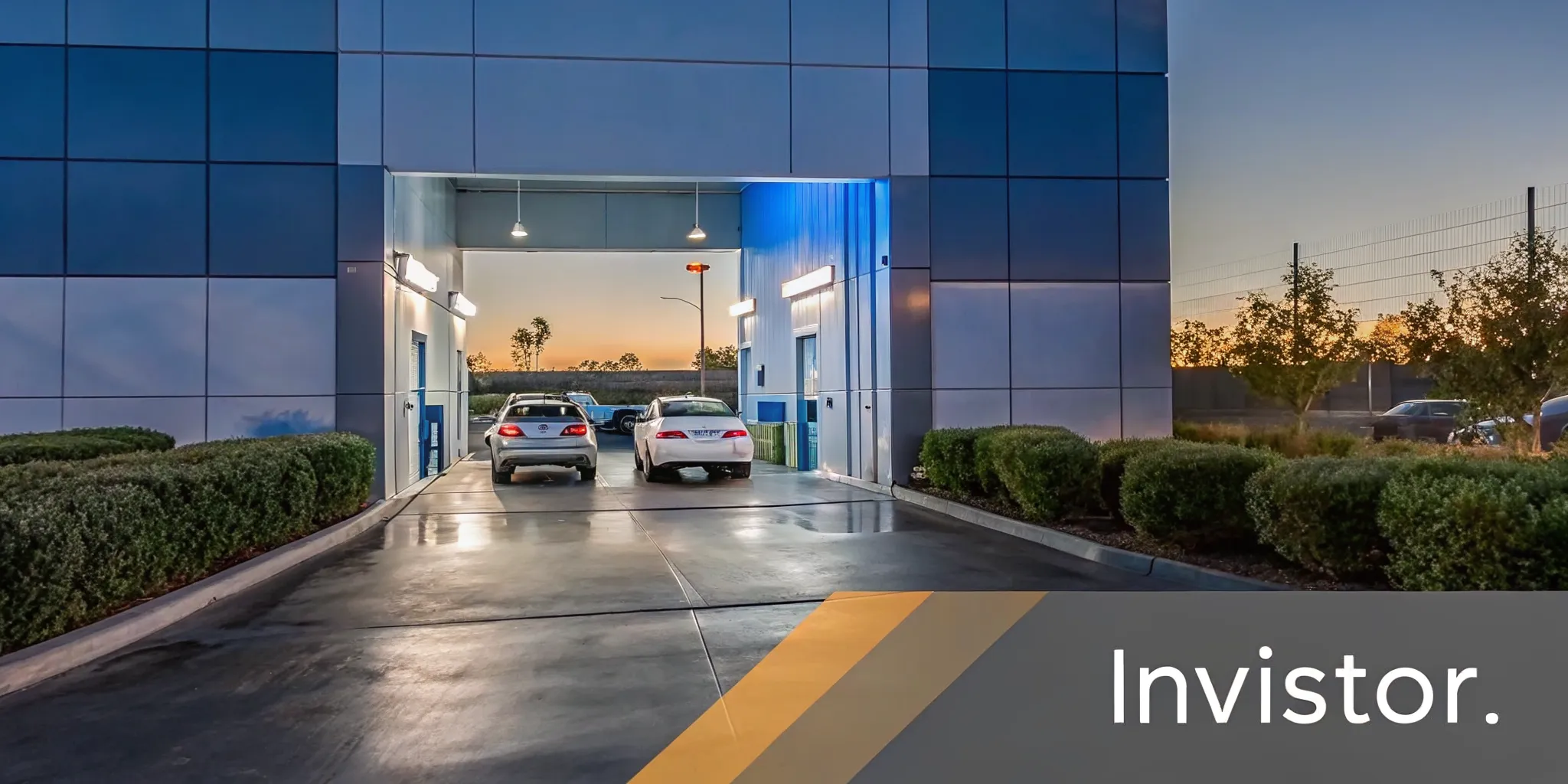

How do car wash models compare?
When investors ask, “are car washes profitable,” the answer depends on the operating model. Each format has a different mix of labor, equipment, throughput, and customer habits. The model also shapes how an operator manages site-level risk.
Industry structure offers useful context. The U.S. Census Bureau reported 16,976 car washes with paid employees in 2019. It also found that 9,048 establishments had fewer than five employees. That range shows why investors should avoid treating every car wash as the same business.
Four operating formats
Self-serve sites place more of the work on the driver. In-bay automatic sites wash one vehicle at a time while the vehicle stays in place. Both formats may suit smaller sites, but their economics depend on local demand and equipment uptime.
| Model | Customer experience | Operating focus | Investor lens |
|---|---|---|---|
| Self-serve | Driver uses a wash bay. | Equipment upkeep and site cleanliness. | Local demand risk. |
| In-bay automatic | Machine washes one parked vehicle. | Uptime, pricing, and repeat visits. | Compact model with throughput limits. |
| Express tunnel | Conveyor moves vehicles quickly. | Volume, speed, and membership retention. | Scalable format with higher operating demands. |
| Full-service | Staff adds interior or detail work. | Labor, scheduling, and service quality. | Higher touch, higher labor exposure. |
Express tunnels are built for faster vehicle flow. Their appeal does not come from volume alone. Investors must also weigh access, traffic patterns, equipment care, and the team’s ability to run each site well.
The membership factor
A membership model changes the underwriting discussion. Instead of relying only on one-time washes, an operator can track subscriber growth, use, churn, and retention. These metrics help show whether repeat demand is holding up across seasons.
Membership revenue is not a guarantee. Site quality, pricing, and local competition still matter. QC Capital’s car wash industry profitability trends provide added context for investors reviewing the sector.
Choosing the right investor lens
Full-service washes can add revenue streams, but they also add staffing needs. Self-serve and in-bay sites may be simpler to run, yet they offer a different scale profile. Express tunnels pair higher throughput goals with more active operating demands.
For accredited investors, the key question is not which format sounds easiest. It is whether the strategy matches the operator’s skill, capital plan, and market selection. QC Capital’s accredited investor car wash opportunities show how a portfolio approach can focus that review.
Why does real estate ownership matter?
A car wash investment is not only a bet on daily wash sales. When an investment includes the land and operating business, value creation can come from both parts of the asset. That distinction matters when accredited investors ask, “Are car washes profitable?”
Site control and underwriting
Real estate ownership gives the operator more control over a key input: the site. The team can assess traffic patterns, access, nearby demand, equipment needs, and property condition before an acquisition. It can then match operating plans to the location rather than manage around a lease.
This is a practical way to view car washes as tangible real assets, not as short-term speculation. The category also has a broad operating base. The U.S. Census Bureau counted 16,976 car washes with paid employees in the United States in 2019.
Debt structure and tax treatment
Owning the land and the business also shapes the capital plan. The debt structure can account for the property, equipment, and operating cash flow. This does not remove risk. It gives the underwriting team more items to test before setting a business plan.
Tax treatment deserves the same care. Land, buildings, and equipment are not treated as one item for tax purposes. Eligible assets may support depreciation deductions. The outcome depends on the asset, ownership structure, and investor situation. Investors should review those details with a tax professional.
QC Capital’s accredited investor car wash opportunities offer a useful frame for reviewing this model. The focus is an operating business tied to a physical location. That differs from buying a property without a clear operating plan.
Multiple exit paths
Combined ownership can also create more options at exit. A buyer may value the operating business, the real estate, or both. The available path still depends on market conditions, site quality, operating results, and the terms of the investment.
There may be upside before any sale. Renovations, equipment changes, rebranding, and better site operations can support the business plan when the numbers justify the work. These steps are active management choices, not promised outcomes. QC Capital’s discussion of proven car wash profit strategies shows why operating details remain important alongside the land.
What risks can reduce car wash profitability?
Car washes can generate attractive cash flow, but the business is not passive at the site level. When investors ask, “are car washes profitable,” the better question is whether each site can hold its margins under stress. Purchase price, debt terms, and operating discipline all shape that answer.
Entry valuation and site economics
A strong location can still disappoint if the buyer pays too much or uses too much leverage. Investors should test whether projected cash flow can cover debt during a soft period. They should also review interest-rate exposure, loan maturity, and the assumptions behind the exit value.
Location errors are hard to fix after closing. Traffic patterns, access, nearby housing, visibility, and local pricing all deserve a site-level review. Competition also matters. The market is fragmented: the U.S. Census Bureau counted 16,976 car washes with paid employees in 2019.
Operating pressure points
Weather and seasonality can shift wash volume from month to month. A forecast should not treat a peak season as the normal run rate. Investors can review proven car wash profit strategies to understand why seasonal planning matters.
Equipment downtime can reduce sales while repair costs rise. Utility costs can also narrow margins, especially when underwriting leaves little room for changes in water or energy costs. Labor still matters even in an automated model. A site needs enough trained staff to keep service, safety, and maintenance standards consistent.
Environmental and water issues require local review. Investors should confirm permits, drainage needs, water-use rules, and any site-specific limits before closing. Execution risk sits across every category. Weak maintenance, poor marketing, or slow responses to local competition can turn a sound plan into a weak result.
Investor risk review
Accredited investors should ask for a practical downside review before committing capital. The review should connect each risk to a clear owner, an action plan, and a reporting process.
- Compare the purchase price with current site cash flow and realistic exit assumptions.
- Stress-test debt service under lower wash volume, higher utility costs, and equipment repairs.
- Review traffic, access, nearby competitors, labor plans, and seasonal demand by site.
- Confirm equipment age, maintenance schedules, vendor support, permits, and water-use requirements.
- Ask how the operator tracks downtime, membership retention, customer experience, and local pricing.
Fund structure does not remove operating risk. It changes how investors assess and monitor it. Reviewing accredited investor car wash opportunities can help investors frame questions around portfolio exposure rather than one location alone.
Review QC Capital car wash investing opportunities ->
Direct ownership vs. passive car wash fund exposure
When investors ask, “are car washes profitable,” the next question is often how to gain exposure. Direct ownership and passive fund investing can both connect capital to the car wash sector. Yet they place different demands on the investor.
Time burden and operating control
Buying or operating a wash directly gives the owner more control. The owner can choose a site, hire staff, set prices, select equipment, and shape the customer experience. That control also creates a steady workload. Maintenance, staffing, vendor management, local marketing, and daily service issues need close attention.
A professionally managed fund shifts those tasks to the sponsor and its operating team. The investor does not run the property or make daily operating calls. That structure may suit investors who want exposure without taking on another active business. QC Capital’s car wash syndication models explain how passive participation differs from direct ownership.
Concentration and due diligence
A direct buyer may start with one location. Results can depend heavily on that site’s traffic, nearby competition, equipment uptime, and labor needs. A fund can spread exposure across multiple assets when its strategy calls for a portfolio. Diversification can reduce reliance on one location, but it does not remove risk.
Due diligence also changes with the investment path. A direct buyer must review the market, site access, financial records, equipment condition, operating costs, and financing terms. A passive investor should still review the sponsor, fund documents, fees, hold period, strategy, and risks. The focus moves from running one site to assessing the manager and the fund structure.
- Direct ownership: More operating control, but more hands-on work and possible site concentration.
- Passive fund exposure: Less daily control, but access to a managed strategy and possible portfolio diversification.
Minimums, reporting, and investor fit
Capital needs can differ sharply. Direct ownership may require funds for acquisition, equipment, working capital, and repairs. A fund uses a defined subscription amount instead. Investors should review the offering materials rather than assume every fund has the same minimum or terms.
Reporting is another key difference. A direct owner sees the books and operating issues firsthand. A passive investor relies on sponsor reporting and should ask what updates are provided. It is also useful to ask whether investors can reach the team when questions arise. Reviewing accredited investor car wash opportunities can help frame those questions.
Private fund access may be limited to accredited investors. The SEC’s accredited investor overview explains the role of that eligibility standard. For investors comparing paths, the right fit depends on available time, desired control, risk tolerance, and comfort with manager-led execution.
How to evaluate a car wash investment opportunity
Profitability is not a property of the asset class alone. It depends on the site, operating plan, capital structure, and investment terms. Accredited investors should use a repeatable review process before comparing accredited investor car wash opportunities.
Your role and investment goals
Start by deciding whether you want direct ownership or passive fund exposure. Direct ownership can require hands-on oversight. A fund can place the day-to-day work with an operator. The SEC’s accredited investor overview explains the eligibility framework for certain private offerings.
-
Define your role. Decide how passive you want the investment to be. Ask who handles staffing, pricing, marketing, repairs, and reporting.
-
Review the market and site. Study nearby competition, road access, visibility, traffic patterns, and the customer base. Ask how the operator tested demand.
-
Study historical financials. Review revenue, wash volume, labor, chemicals, utilities, repairs, and seasonality. Compare the assumptions with actual results when the site has operating history.
-
Evaluate the membership mix. Ask what share of sales comes from memberships and single washes. Review member growth, churn, pricing tiers, and promotional discounts.
-
Assess debt and capital needs. Review loan terms, reserves, equipment age, and planned upgrades. Ask how repairs or cost overruns could affect cash available for distributions.
-
Check operator experience. Review the team’s record in acquisition, development, and daily operations. Ask how performance is tracked across sites.
-
Read the documents. Review fees, hold period, distribution terms, risks, reporting, and exit plans. Match the offering with your cash-flow, liquidity, and tax goals.
Operating assumptions behind the numbers
The question “are car washes profitable” needs a site-level answer. A strong review tests both revenue and costs. Membership revenue may support a steadier base, but investors should still examine churn and discounting. Weather, repairs, and local competition can affect results.
Fund terms and investor fit
Do not stop at a projected return. Compare the operator’s role, leverage, reserves, fees, and exit plan. Investors new to passive ownership can review car wash syndication models before weighing an offering. The right fit depends on the investor’s own time horizon and cash needs.
Talk with QC Capital about car wash investing ->
Frequently Asked Questions
How much money does a car wash make a month?
Monthly revenue varies widely by site, wash format, traffic, pricing, and membership adoption. Some operator-facing industry sources cite examples above $40,000 per month, but that figure is not a reliable forecast for every location. Investors should review site-level sales, recurring membership revenue, operating expenses, and capital needs before comparing opportunities.
What is the average annual income of a car wash owner?
Owner income depends on the business model and the site’s cost structure. One industry estimate places annual income for an in-bay automatic car wash owner near $86,500. That estimate should not be treated as a guaranteed result. Express tunnels, self-service sites, and full-service washes can produce different outcomes.
Why is owning a car wash beneficial?
A well-located car wash can combine everyday vehicle care demand with repeat customer revenue. Express washes may add monthly memberships, which can improve revenue visibility. Ownership can also include the underlying real estate and the operating business. The tradeoff is active responsibility for staffing, equipment uptime, utilities, customer acquisition, and site maintenance.
Can accredited investors invest in car washes without owning a wash?
Yes. Accredited investors can consider passive fund or syndication exposure instead of buying and managing a wash directly. A fund manager may handle acquisition, underwriting, operations, reporting, and eventual disposition. QC Capital’s car wash investment page describes exposure to both real estate and operating businesses. Fund investments still involve risk and limited liquidity.
What risks can reduce car wash profitability?
Car wash profitability can fall when traffic misses projections, membership retention weakens, or pricing does not cover costs. Weather, local competition, utilities, labor, repairs, equipment downtime, and debt terms also matter. Real estate can add value, but a weak location can limit performance. Investors should review assumptions, reserves, operating history, and downside scenarios before committing capital.
Ready to evaluate car wash investing with QC Capital?
Car wash profitability is not a simple yes or no. The details matter: site quality, operating discipline, financing, real estate control, and the team managing the asset.
QC Capital helps accredited investors review car wash opportunities through a passive, professionally managed real asset strategy. If you want to understand how this approach may fit your portfolio, the next step is a direct conversation.
Schedule your call with QC Capital ->