

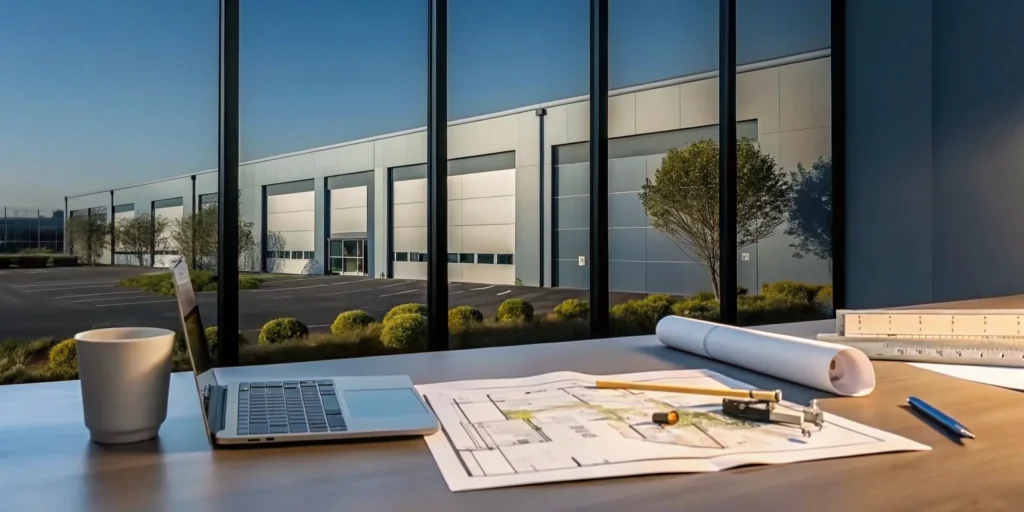
On the surface, a flex space property seems straightforward: a simple building with an office in the front and a warehouse in the back. This simplicity is part of its appeal, but it can also hide the complexities that determine its long-term value. The real potential of a flex property is unlocked through a deep understanding of its location, tenant mix, physical condition, and financial structure. Making a smart decision requires looking beyond the basic numbers and asking the right questions. This is the core of a successful flex space investment property analysis. We’ll show you how to look under the hood, assess the key risk factors, and build a financial model that gives you a true picture of a property’s potential.
Key Takeaways
- Prioritize Versatility for Consistent Income: Flex space properties attract a diverse mix of tenants, including e-commerce brands and local service companies. This variety provides a buffer against economic downturns, helping to keep occupancy high and income steady.
- Look Beyond the Initial Numbers: A good cap rate is just the start; true diligence means digging deeper. Verify every lease, hire professionals to inspect the building’s physical condition, and confirm local zoning allows for your intended use. A property’s real value comes from the combination of its financial, physical, and legal standing.
- Stress-Test Your Financial Projections: Your financial model must account for reality, not just ideal scenarios. Plan for potential vacancies, operating costs, and major future expenses (like a new roof). Running “what-if” scenarios for lower occupancy or higher costs will show you the deal’s true resilience.
What Exactly Is Flex Space?
If you’re exploring new investment avenues, you’ve likely heard the term “flex space.” So, what is it? At its core, flex space is a type of commercial property designed for versatility. Think of it as a hybrid building that combines elements of office, warehouse, and sometimes even retail or showroom space, all under one roof. This adaptability is what makes it so attractive. Instead of being locked into a single use, these properties can serve a wide range of tenants, from a local e-commerce business that needs storage and a small office, to a light manufacturing company that requires a production area and administrative space. This inherent flexibility is the defining characteristic and a key reason why it’s a growing focus for investors.
Common Configurations and Layouts
Walk into a typical flex space, and you’ll see a practical, two-part layout. Usually, there’s a finished office or showroom area at the front, complete with a public entrance, restrooms, and climate control. This is the customer-facing or administrative part of the business. Behind this, you’ll find a more industrial or warehouse section with high ceilings, roll-up garage doors for easy loading, and open floor space. This combination of industrial flex space allows a single tenant to manage their entire operation, from sales and admin to production and distribution, from one location. Businesses like craft breweries, research labs, art studios, and e-commerce fulfillment centers thrive in these environments.
The Hybrid Features That Make It Unique
The “flex” in flex space isn’t just a name; it’s the property’s core function. These buildings are designed to be easily modified to meet a tenant’s changing needs. A growing business might expand its office footprint into the warehouse area, or conversely, reduce its showroom to make more room for inventory. This adaptability makes the property incredibly valuable to tenants. For investors, this translates into a more resilient asset. Because businesses will always need space for essential operations like storage and distribution, industrial flex space often performs well even during economic downturns. The diverse tenant pool and essential-use nature provide a layer of stability that single-use properties can’t always offer.
Why Investors Are Turning to Flex Space
If you’re looking for an asset class that aligns with modern economic trends, flex space is worth a serious look. These hybrid properties are gaining attention from savvy investors, and for good reason. They aren’t just another commercial real estate trend; their appeal is rooted in fundamental shifts in how businesses operate and how consumers shop. The demand for flex space is driven by the practical needs of a growing digital economy, offering a unique combination of stability and adaptability that is hard to find elsewhere.
For investors, this translates into an opportunity to acquire assets with diverse tenant appeal and built-in resilience. Unlike traditional office or retail properties that can be vulnerable to market swings, flex space serves a wide range of essential business functions, from e-commerce fulfillment and light manufacturing to local service providers. This versatility is the key to its strength and its ability to generate consistent income. At QC Capital, our investment strategy centers on tangible assets that people and businesses rely on every day. Flex space fits that profile perfectly because it provides the foundational infrastructure for modern commerce. Let’s break down the specific factors making it such a compelling addition to an investment portfolio.
The Rise of E-commerce and Last-Mile Logistics
The explosion of e-commerce has completely reshaped consumer expectations. We now expect fast, often same-day, delivery. This has created immense demand for “last-mile” logistics facilities, which are small, local hubs that allow companies to store products closer to their customers. Flex space is perfectly suited for this role. A single unit can serve as a mini-warehouse, a fulfillment center, and even a small showroom or office for an online business. This hybrid functionality makes it an ideal solution for companies that need more than just a storage unit but don’t require a massive distribution center. As online shopping continues to grow, so will the need for adaptable, well-located flex space properties.
Built-In Resilience for Economic Shifts
One of the most attractive features of flex space is its resilience during economic uncertainty. While traditional office and retail sectors can face high vacancy rates during a downturn, the tenants in flex properties often provide essential services. Businesses still need places for storage, light assembly, and distribution, regardless of the economic climate. This consistent demand helps insulate flex space from the dramatic highs and lows that affect other real estate sectors. Because these assets are tied to the core operational needs of businesses, they tend to generate more stable and predictable cash flow, making them a strong defensive play for any real estate portfolio.
How Tenant Diversification Creates Stable Income
A key principle of smart investing is diversification, and flex space offers that at the property level. A single flex building can house a wide variety of tenants, from a local craft brewery and a general contractor to a small tech company and an online retailer. This mix means the property’s success isn’t tied to the fortunes of a single industry. If one tenant leaves, the versatile nature of the space makes it attractive to a broad pool of potential replacements, which helps keep vacancy rates low and income steady. Furthermore, tenants in flex spaces often sign longer leases and invest in customizing their units, making them more likely to stay. This tenant stickiness is a huge advantage for property owners.
Key Financial Metrics to Analyze
Once you find a promising property, it’s time to look at the numbers. Financial metrics are the tools you use to separate a great investment from a good-looking one. They help you understand a property’s current performance and its potential for future cash flow. While every deal is unique, a few key calculations will give you a clear picture of the asset’s financial health. By focusing on these figures, you can make decisions based on data, not just a gut feeling. Our investment strategy is built on this kind of disciplined, hands-on analysis, ensuring we see the full story behind every opportunity.
Calculate Net Operating Income (NOI)
Think of Net Operating Income (NOI) as the property’s annual profit before you account for loan payments or income taxes. It’s the money left over after you pay all the necessary operating expenses. To find it, you’ll start with the property’s total income from rent and other fees, then subtract expenses like property management, insurance, maintenance, and utilities. Ask for the income and expense statements for the past year to get a clear view. It’s also smart to compare the property’s current rents to what similar buildings in the area are charging to see if there’s an opportunity to increase income.
Understand Cap Rates in Your Target Market
The capitalization rate, or cap rate, is a quick way to gauge a property’s return potential. You calculate it by dividing the NOI by the property’s market value or purchase price. While it’s a useful metric for comparing different opportunities, a cap rate is meaningless without context. A high cap rate might signal a riskier asset, while a very low one could mean there’s less room for growth. Don’t get sold on a property just because the cap rate looks good; you need to understand the tenants, the lease terms, and the local market dynamics that contribute to that number.
Measure Cash-on-Cash Return and IRR
While NOI and cap rate measure the property, cash-on-cash return measures your specific investment. This metric shows the annual cash flow you receive divided by the total cash you put into the deal, including the down payment, closing costs, and any renovation funds. It’s a straightforward way to see the return on your actual invested capital. For a more complete picture over the life of the investment, you can also look at the Internal Rate of Return (IRR), which accounts for the time value of money and helps you compare a flex space deal to other investments.
Review Occupancy Rates and Lease Structures
The heart of any rental property’s value is its tenants. Before you invest, you need to carefully review the rent roll, which is a list of all current tenants, what they pay in rent, and when their leases expire. Look for a stable mix of tenants with staggered lease expirations to avoid having multiple vacancies at once. One of the great things about flex space properties is that business tenants often sign longer leases and have a greater incentive to stay, which can lead to more consistent and predictable income for investors.
How to Evaluate a Flex Space Location
When it comes to real estate, you’ve heard it a thousand times: location, location, location. This holds just as true for flex space, but the criteria for a great location are unique. Unlike residential or retail properties where foot traffic is king, the ideal spot for a flex space hinges on its ability to support a wide range of business operations, from last-mile delivery to light manufacturing. A property’s value is directly tied to its surroundings, and understanding this connection is fundamental to making a sound investment. The right location can make a property indispensable to its tenants.
To properly vet a location, you need to look beyond the property lines and analyze its strategic position in the market. A well-located flex space provides tenants with a competitive advantage, which translates into stable occupancy and consistent cash flow for you as an investor. It’s not just about finding a building; it’s about finding a building in an environment that helps businesses thrive. Focusing on a few key areas will help you identify properties with strong fundamentals and long-term potential, separating the promising opportunities from the ones that will likely underperform. This analysis is a core part of how we approach every potential acquisition.
Check for Proximity to Transportation Hubs
A flex space property lives and dies by its accessibility. Tenants, whether they are e-commerce distributors or local service providers, need efficient ways to move goods and people. Look for properties with direct access to major highways and arterial roads. This is non-negotiable. Easy access reduces transit times and shipping costs for tenants, making your property far more attractive. Beyond roads, consider the proximity to other critical infrastructure like airports and ports, which can be a major draw for businesses involved in logistics. Strong utility support, including reliable power and high-speed internet, is just as important. Our investment strategy prioritizes assets with these foundational strengths because they are essential for modern business operations.
Assess Local Market Demand and Vacancy
A great building in a weak market is a risky bet. Before you go any further, you need to understand the local supply and demand dynamics. Start by researching the area’s vacancy rates for similar flex properties. A low vacancy rate, typically in the single digits, signals a healthy, competitive market where landlords have more leverage to maintain rents and choose quality tenants. Look for places with a low number of empty flex buildings and steady rents. Dig into historical trends to see if the market is consistently strong or prone to volatility. A market with steady rent growth and consistent demand from a diverse mix of businesses is exactly what you want to see.
Analyze the Surrounding Business Ecosystem
A single property is part of a larger commercial environment. The health of that ecosystem can significantly impact your investment’s success. Look for a diverse mix of surrounding businesses. Is there a healthy blend of manufacturing, service-based companies, and e-commerce operations? A varied local economy provides a buffer against downturns in any single industry. For example, our flex space opportunities are often located in areas that serve a wide range of needs, from warehousing for online retailers to workshops for skilled trades. This tenant diversity creates a resilient income stream. A location with a strong surrounding business community also offers a built-in network of potential suppliers, customers, and a skilled labor pool for your tenants.
What Does Due Diligence for Flex Space Cover?
Once your initial analysis looks promising and you’ve agreed on a purchase price, the real work begins. Due diligence is the critical investigation phase where you verify every assumption you’ve made about the property. Think of it as your chance to look under the hood and uncover any potential issues before you finalize the deal. For flex space, this process involves a close look at the physical building, the income it generates through its tenants, and the local rules that govern its use.
A thorough due diligence process protects your investment by turning unknowns into knowns. It confirms the property’s condition, the stability of its cash flow, and its potential for future growth. At QC Capital, our hands-on approach means we dig deep during this stage, because we know that disciplined execution is what separates a good investment from a great one. Skipping steps here can lead to costly surprises down the road, so it’s essential to be methodical and leave no stone unturned.
Inspect the Physical Property and Maintenance Records
First, you need to get a clear picture of the building’s physical health. This goes beyond a simple walkthrough. You’ll want to hire qualified professionals to conduct a full property condition assessment, which covers the big-ticket items: the roof, foundation, parking lot, and major mechanical systems like HVAC, electrical, and plumbing. These are the components that can lead to significant capital expenditures if they fail unexpectedly.
Just as important are the maintenance records. A well-documented history of repairs and preventative care is a good sign of a well-managed property. If the records are spotty or show recurring problems, it’s a red flag. Finally, an environmental site assessment is crucial to check for any soil or groundwater contamination, which can be a major liability.
Verify Leases and Analyze the Tenant Mix
A property is only as strong as the income it produces, so your next step is to scrutinize the rent roll. The rent roll is a snapshot of every tenant, what they pay in rent, and when their lease expires. Your job is to verify this information by reviewing every single lease agreement. Make sure the terms match what’s on the rent roll and look for any unusual clauses or landlord obligations.
Beyond verification, you need to analyze the tenant mix. Is the income diversified across several businesses, or does one large tenant account for most of the revenue? Relying too heavily on a single tenant adds risk. You should also compare the current rents to the market rate. If tenants are paying below-market rent, there may be an opportunity to increase income as leases expire, which is a core part of our investment strategy.
Confirm Zoning and Regulatory Compliance
Finally, you need to confirm that the property complies with all local laws and regulations. This starts with zoning. You must verify that the property’s current use, and any future use you envision, is permitted by the local zoning code. A property zoned for light industrial might not allow for a customer-facing showroom, for example, which could limit your pool of potential tenants.
You’ll also want to check for any existing code violations, confirm that all necessary permits are in place, and ensure the property meets accessibility standards like the Americans with Disabilities Act (ADA). Uncovering these issues during due diligence gives you the chance to address them with the seller or walk away if the problems are too significant. It’s all about making sure there are no legal or regulatory hurdles waiting for you after closing.
How to Build Your Financial Model
A financial model is your roadmap for an investment. It’s where you translate all your research and analysis into a clear projection of potential returns. Building a detailed model is essential for understanding a property’s profitability, identifying potential risks, and ultimately deciding if the deal aligns with your financial goals. A strong model isn’t just about getting to a final number; it’s about understanding the key drivers behind that number.
Project Rental Income and Occupancy
Your model starts with rental income, the primary driver of cash flow. Flex space properties generate revenue from businesses like e-commerce companies, service providers, and small manufacturers, who often sign multi-year leases. Start by examining the property’s current rent roll to see what tenants are paying and when their leases expire. Then, compare these figures to the going rate for similar spaces in the area. This helps you spot opportunities to increase income as leases turn over.
No property stays 100% occupied forever, so your projections need to be realistic. Review the building’s historical occupancy and the average vacancy rate for the local market. Factoring in a conservative vacancy rate ensures your model reflects a more probable scenario, which is a core part of our investment strategy.
Account for Operating Expenses and CapEx
Just as important as projecting income is forecasting your costs. Operating expenses (OpEx) are the recurring costs of running the property, including property taxes, insurance, utilities, and management fees. For flex space, remember that maintaining both office and industrial components can lead to higher utility bills and specific repair needs from industrial wear and tear. Reviewing at least one year of the property’s expense history gives you a solid baseline.
Beyond daily operations, you must plan for Capital Expenditures (CapEx). These are larger, less frequent costs for major replacements like a new roof, HVAC system, or parking lot resurfacing. A common mistake is failing to set aside reserves for CapEx, which can quickly erase your cash flow when a big-ticket item fails. A well-run property, like those in our flex space portfolio, always has a plan for these future expenses.
Stress-Test Your Assumptions
A financial model is only as good as the assumptions you put into it. That’s why stress-testing is a critical final step. This involves running different scenarios to see how the investment holds up under pressure. What happens to your returns if occupancy drops by 10%? What if a major tenant leaves and it takes six months to find a replacement? What if property taxes increase more than you expected?
By modeling these less-than-ideal situations, you can determine your margin of safety and understand the deal’s true resilience. A strong investment should still perform reasonably well even when things don’t go perfectly. This disciplined, hands-on approach is how we analyze opportunities and protect investor capital, ensuring we focus on assets built for long-term value.
Understanding the Risks in Flex Space Investing
While flex space offers compelling advantages like tenant diversification and resilience, no investment is without risk. A thorough analysis means looking at a deal from all angles, including what could go wrong. Understanding these potential challenges ahead of time is what separates a calculated investment from a gamble. By identifying the key risks in any flex space opportunity, you can better underwrite your deal, structure protective terms, and make a more informed decision. The primary risks generally fall into three categories: market conditions, regulatory constraints, and property-specific costs.
Market Cycles and Potential Saturation
Flex space demand is closely tied to the health of the small and medium-sized businesses that form its tenant base. During economic downturns, these businesses may contract or fail, leading to higher vacancy rates. It’s also important to watch for signs of overbuilding in a specific submarket. When a particular area becomes a hot spot for industrial development, a rush of new supply can hit the market, creating intense competition for tenants and putting downward pressure on rental rates. A solid analysis requires a deep dive into local supply and demand trends to ensure the market can absorb new inventory without diluting your returns.
Zoning Hurdles and Permitting Delays
The “flexibility” of a flex space property is only as valuable as local regulations allow. Zoning codes can create significant hurdles, dictating what kind of business activities are permitted. For example, a property might be zoned for light industrial use but not for the retail or office component a prospective tenant needs. This can limit your pool of potential tenants and reduce the property’s appeal. Furthermore, the process of getting permits for tenant improvements or renovations can be slow and bureaucratic, leading to costly delays that postpone your ability to generate income from a new lease. Before acquiring a property, you must verify its zoning classification and understand the local permitting process.
Renovation Costs and Adapting to New Technology
Preparing a space for a new tenant often requires a significant capital outlay. These tenant improvements (TIs) can range from simple cosmetic updates to a complete reconfiguration of the layout, electrical systems, and plumbing. Underestimating these costs can seriously impact your cash-on-cash return. An older building might also require expensive upgrades to compete in the modern market, such as adding high-speed internet infrastructure, increasing power capacity, or improving loading dock access. It is critical to have a realistic capital expenditure budget that accounts for both planned renovations and unexpected repairs to protect your investment’s profitability over the long term.
How We Analyze Flex Space Opportunities
Finding a promising flex space property goes beyond just looking at the numbers on a spreadsheet. At QC Capital, our approach combines institutional-grade financial analysis with the hands-on operational expertise that defines our firm. We don’t just buy assets; we identify properties where we can actively create value. This disciplined process ensures every potential investment is vetted not only for its current performance but also for its future potential to generate stable, long-term income for our investors.
Our analysis begins at the macro level. We focus on high-growth markets where demographic and economic trends create sustained demand for flex space. This means targeting regions with strong population growth, a diverse job market, and proximity to essential transportation corridors. By concentrating on specific geographic areas, we develop a deep understanding of local market dynamics, from rental rates to vacancy trends. This top-down approach is a core part of our investment strategy and allows us to position our assets for long-term success.
Once we identify a promising property, we conduct rigorous financial underwriting. We scrutinize the building’s operating history, verify the rent roll, and analyze the creditworthiness of the existing tenant mix. We then stress-test our financial models against various scenarios to ensure the investment can withstand market fluctuations. This conservative approach helps us identify the true net operating income and make realistic projections for cash flow and returns. It’s about seeing the property for what it is, and what it can realistically become.
Finally, we get our boots on the ground. Our team performs extensive due diligence, inspecting everything from the roof and HVAC systems to the parking lot and zoning compliance. We see this as more than a simple inspection; it’s an opportunity to identify areas for operational improvement. Whether it’s through targeted capital upgrades, enhancing property management, or optimizing the tenant mix, our goal is to find hidden value. This hands-on method is how we transform well-located properties into high-performing assets for our portfolio.
Related Articles
- Flex Space Investing: Why This Emerging Asset Class Is Gaining Attention in 2025
- What Passive Investors Should Know About Flex Space Investing
- The Rise of Flex Space: A New Frontier in Alternative Investing
- 6 Myths About Flex Space Investing – Debunked by QC Capital Group
Frequently Asked Questions
What types of businesses are ideal tenants for flex space? You’ll find a really diverse mix, which is one of the asset’s biggest strengths. The ideal tenants are businesses that need a combination of professional-looking office or showroom space and functional warehouse or production space. Think of e-commerce companies that need a small office for admin work and a large area for inventory and shipping. Other common tenants include local service providers like plumbers or electricians who need to store vehicles and equipment, as well as light manufacturers, craft breweries, and research labs.
How is flex space different from just a regular warehouse or office building? The key difference is its hybrid design. A traditional warehouse is purely for storage and logistics, with very little, if any, finished office space. A standard office building is designed solely for administrative work. Flex space combines these two functions under one roof. A typical unit has a finished, climate-controlled office area at the front and a more industrial warehouse section in the back, often with high ceilings and a large roll-up door for easy access. This built-in adaptability allows a single business to run its entire operation from one location.
You mentioned tenant improvements. Who typically pays for those? This is almost always a point of negotiation between the landlord and the tenant. Often, a landlord will offer a “tenant improvement allowance,” which is a set amount of money provided to help the tenant customize the space for their specific needs. The cost of this allowance is usually factored into the rental rate and the length of the lease. For more extensive or specialized build-outs, the tenant might cover the additional costs. A well-structured deal accounts for these expenses from the very beginning.
How does flex space perform when the economy is slow? While no real estate is completely immune to economic shifts, flex space tends to be more resilient than other sectors like traditional office or retail. This is because its tenants often provide essential services that remain in demand regardless of the economic climate. Businesses still need space for logistics, distribution, and home services. Because these properties are tied to the core operational needs of a business, they tend to maintain more stable occupancy and cash flow during downturns.
What’s the most common mistake you see new investors make with flex space? A frequent misstep is underestimating the capital needed for future expenses. It’s easy to focus on the purchase price, but investors can get into trouble by not budgeting enough for both tenant improvements and major capital expenditures. Preparing a unit for a new tenant can be costly, and you have to plan for eventual big-ticket repairs like a new roof or HVAC system. A thorough financial model that includes healthy reserves for these costs is critical for protecting your returns over the long term.