

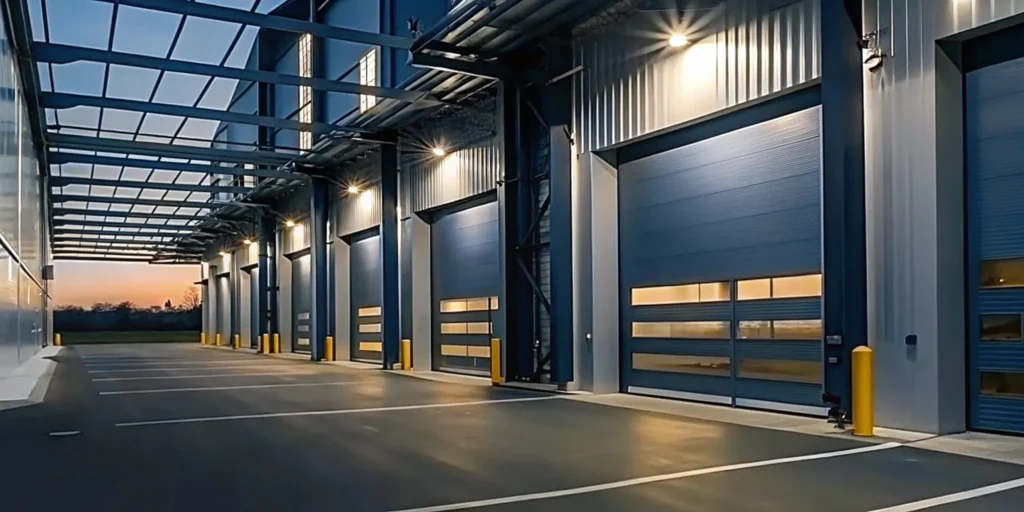
Modern firms often need a single building that combines office desks with high ceiling storage space.
Knowing what is flex space in real estate helps you find properties built for both office and industrial use. These buildings usually have high ceilings and large doors to help firms store goods or make products. Most units are smaller than a huge warehouse and let a tenant build out the exact mix of workspace they need. This wide use makes the assets a strong choice for light shops or labs. Investors value these buildings because they often use NNN leases that move most costs to the tenant. NAI Platform says these spaces often have ceiling heights from 14 to 25 feet for many uses. The small supply in busy areas helps keep demand high and empty units low for owners.
Learning the facts about this asset class helps you find the best deals in the market. You need to know how these buildings are different from standard warehouses and why tenants pay higher rent for them. To evaluate these deals, begin by understanding the asset’s defining features.
What is flex space in real estate?
Flex space is a type of industrial building designed for more than one use. These properties combine warehouse space with other needs like offices, showrooms, or light making. In many cases, a flex industrial space helps businesses that do not fit into a single group.
A blend of office and warehouse
The main trait of flex space is its mix of floor plans. A typical unit has a front office where staff can work or meet customers. Behind that office is a larger warehouse area with high ceilings. This setup lets a company run its whole business from one spot. They can store goods, build products, and handle sales all in the same building.
According to the state of Massachusetts, industrial real estate includes sites for making, storing, and shipping goods. Flex space fits this by giving users the office room they need for desk work alongside their industrial tasks. This makes the space helpful for modern firms that need to be nimble.
Key traits of flex buildings
Flex buildings often have large doors in the back for trucks to load and unload. Inside, the ceilings are often 14 to 16 feet high, though some reach 25 feet or more. This height gives you more room to stack items or set up tall machines. These ceiling heights allow the space to adapt as a tenant’s needs change over time.
The zoning for these sites is also special. It allows for a range of tasks that are not too loud or messy. These tasks include light making, assembly, and construction contractor trades. Because of this, a flex site can host many different kinds of shops and services under one roof.
How it differs from generic industrial
Generic industrial sites are often huge boxes built for big shipping tasks. They may have very little office space and sit far from city centers. Flex industrial sites are usually smaller and sit closer to where people live and work. They offer more finished space inside and look more like an office park than a giant warehouse.
Flex units give small to mid-sized firms a professional look while keeping the tools they need for work. This makes them a strong choice for businesses that need to be near their customers. For you, as an investor, this mix of uses helps keep the building full even if one industry slows down.
How flex industrial properties work
Flex industrial sites bridge the gap between office and warehouse needs. These buildings serve firms that do not fit into a single type. By joining office areas with industrial floor space, these assets offer a unique mix for new firms. When you look at what is flex space in real estate, you see a building that fits the needs of the user. Most flex sites offer smaller bay spaces, usually under 20,000 square feet. This size allows many types of firms to work from one site. Many firms choose these sites because they can house all their tasks in one place. This saves time and keeps the team close.
Building design and clear-span structures
Most flex buildings use steel-framed, clear-span designs. This style allows for open floor plans without many support columns in the way. It makes the space easy to change as a firm grows. You can see how this works in our current flex industrial portfolio. Ceiling heights are also a key feature of these sites. Most units have roofs from 14 to 25 feet high. This extra height allows for large storage racks or light machines. According to Mass.gov, industrial real estate must support tasks like making goods, assembly, and light storage. The clear-span frame means a tenant can move walls or tools without hitting a beam.
Office and warehouse use cases
Flex space is built to house both office and warehouse staff in one place. A typical unit might use 25% of the floor for desks and 75% for a warehouse. This mix is ideal for research teams or small tech firms. These firms need lab space next to their office staff. Local laws often set rules for these tasks. For instance, Ogden City zones flex areas for light tasks like making small parts or shipping goods. This zoning keeps the sites safe and well-run for the area. Tenants like this setup because it looks better than a big, dark warehouse. It also provides a better spot for clients to visit.
Loading access and tenant needs
A major part of how these sites work is the loading access. Units often have at least one large door for trucks. These can be dock-high doors for big rigs or grade-level doors for small vans. This access is vital for firms that move goods every day. Flex sites also use a NNN lease structure. This means the tenant pays for taxes, costs, and repairs. For an owner, this setup offers stable cash flow and less daily work. You can learn more about the passive investor thesis for flex real estate on our site. These buildings work well because they can change for many types of tenants as the market shifts.
Flex space vs. other business site types
When you ask what is flex space in real estate, it helps to see how it fits into the wide market. Many business buildings serve just one main goal. A shop is for retail, and a tower is for desks. But flex space is a hybrid. It blends two or more uses under one roof to give tenants the tools they need for a modern business.
Flex space vs. standard office
Standard office buildings are built for service work. They often have fancy lobbies, lifts, and many shared halls. These features can be costly for an owner to keep up. Flex space also has office zones, but they are often simpler. These zones sit right next to a warehouse or work area where the real labor happens.
Flex buildings offer a better deal for many owners. Most tenants use a NNN lease. This means the tenant pays for the taxes, insurance, and most repairs. This setup helps keep the cash flow steady and clear for the investor. You can see how we pick these sites in our current flex industrial portfolio, which focuses on areas with high growth.
Flex space vs. bulk warehouse
Bulk warehouses are vast shells meant for large storage. They usually sit near highways or ports to help big trucks move goods. Flex space is smaller and more focused. Most bays are under 20,000 square feet. This size is perfect for local firms like HVAC teams, small builders, or firms doing light production and assembly.
Flex space is often found in infill areas. These are spots closer to where people live and shop. While bulk sites rely on scale, flex sites rely on being in the right place. Because it is hard to find land for new builds in these areas, the existing space stays in high demand. This often leads to higher rent per square foot compared to the large logistics hubs.
Comparing the asset classes
| Feature. | Flex Space. | Bulk Warehouse. | Retail Center. |
|---|---|---|---|
| Unit Size. | 2,000 to 20,000 SF. | 100,000+ SF. | Varies (1k-50k SF). |
| Main Use. | Mixed Use. | Large Storage. | Sales and Service. |
| Lease Model. | Mostly NNN. | NNN or Gross. | NNN plus Sales %. |
| Ceiling Height. | 14 to 25+ Feet. | 32 to 40+ Feet. | 10 to 14 Feet. |
| Loading Style. | Grade or Dock. | High Dock Only. | Service Doors. |
| Parking Needs. | Moderate. | Low (Truck focus). | High (Customer focus). |
Why investors choose flex assets
Many investors choose flex space because it is strong. These buildings serve many types of firms, so they are not tied to just one trend. If one tenant moves out, the space is often easy to lease again because so many small firms need this type of site. This makes finding quality flex space investment deals a smart move for those seeking steady growth.
The cost to build and fix flex space is often lower than office or retail. These sites use steel frames and simple designs. This allows the owner to change the layout quickly for a new user. The supply of these small industrial bays is low in many cities. This lack of space offers a solid path for long-term value in a portfolio.
Why do tenants choose flex space?
To see why tenants pick these sites, you first need to know what is flex space in real estate. These sites blend shop and office space in one spot. This mix fits many types of small and midsize firms. From HVAC teams to web shops, users want the use of a bay and the ease of a desk. They choose flex space because it fits their own needs without the high cost of a pure office lease.
Diverse business needs
Many firms find that common buildings do not work for them. A plumber needs a place to park trucks and keep parts, but also a desk for billing. Flex units offer this mix. Small firms use the high ceilings for storage or light assembly while keeping a front door for walk-in clients. This is why flex industrial zoning often allows light making and small-scale work next to shops. The fact you can use one unit for two jobs saves time and makes life easy for the owner.
Service trades like plumbers and HVAC techs are some of the most common tenants. These teams need a central spot where they can store gear and meet for the day. A flex unit gives them a warehouse for their vans and a front office for their staff. This setup helps them stay neat as they serve the local area.
Smart infill locations
Where a site sits is a key driver for tenant demand. Most flex sites are in “infill” areas. These are spots close to city centers or busy housing zones. For e-commerce firms, being near the buyer is a must. It helps them ship goods fast and cut fuel costs. You can see how we pick these spots by looking at our current flex industrial portfolio. These central hubs let service trades reach their clients fast throughout the work day. Being close to main roads helps teams get to jobs with less stress.
E-commerce growth also drives high demand. Many web shops do not need a huge warehouse. They just need enough space to hold stock and a desk to track sales. Flex sites in infill areas let them stay close to their buyers. Being near the buyer helps them ship orders fast and keeps their buyers happy.
Low cost and high use
Flex space often saves more money than other types of real estate. Tenants only pay for the mix of space they use. Because many of these units use triple-net (NNN) leases, costs are clear and easy to track. Tenants also like building specs that fit modern work. High ceilings, often reaching 14 to 25 feet, allow for tall racks that save floor space. Per state rules, industrial real estate often includes space for making, assembly, and research. Flex buildings provide all of this in a small, smart footprint that helps a business grow.
- Service Trades: Plumbers, HVAC techs, and painters use units as home bases.
- E-commerce: Online shops store stock and pack orders for quick shipping to local buyers.
- Light Assembly: Small makers build goods and ship them from the same unit to save on haul costs.
- R&D: Tech firms use the lab-like space for testing new tools or gear in a safe spot.
How NNN leases shape the investor experience
When you ask what is flex space in real estate, the answer often involves the triple-net (NNN) lease structure. This type of lease is a common tool for flex sites. It changes how owners and tenants share costs. In a NNN lease, the tenant pays for most of the daily costs. This helps the owner have a more steady life. It also shifts some of the risks of owning a building to the firm that uses it. Most people like this deal because it makes the roles of each side clear.
Tenant tasks in NNN structures
In a standard NNN lease, the tenant handles three main costs beyond the base rent. These costs are property taxes, building insurance, and upkeep. By shifting these tasks to the user, the owner avoids many of the shocks of building care. For example, if tax rates go up, the tenant covers the extra cost. This is one reason why the passive investor thesis for flex real estate is so strong for many people. It takes the stress of rising costs off the owner’s plate.
The upkeep side of NNN leases is also helpful. The tenant keeps the unit in good shape. They handle small repairs and keep the space ready for work. This is vital because industrial real estate includes buildings used for making goods, storing items, and research. Keeping these spaces safe and working well is part of the tenant’s daily job. The owner does not have to deal with the small details of every fix. This allows the owner to focus on the big picture of their wealth.
- Property taxes paid by the tenant directly to the city.
- Building insurance costs that the tenant covers in full.
- Common area upkeep for shared parts of the site.
The role of underwriting and lease terms
Good underwriting is key to a good deal. It is the process of checking a deal to see if it makes sense. Since NNN leases last for many years, the details in the lease matter. You must look at the tenant’s credit and their history of paying bills. A strong tenant makes the lease more secure. This is a core part of how we manage our current flex industrial portfolio at QC Capital. We look for tenants that have stable firms and good track records.
Lease terms also set the rules for rent hikes. Most NNN leases have steps where the rent goes up over time. This helps the deal keep up with the costs of living. We study these terms to find assets that fit our goals. This structure is designed to create a chance for steady growth. But no deal is without risk. We use careful study to find the best paths forward in the flex market. Each lease is a unique set of rules that we must follow.
Triple-net leases help clear the path for owners. They allow the firm to focus on the big picture. Instead of fixing leaks, the team can focus on finding new assets. This structure makes it easier to scale a portfolio across many states. It creates a clear path for people who want to own real estate without the stress of being a landlord. By using these leases, we aim to build a strong and simple plan for the future.
How should passive investors evaluate flex space?
When you look at emerging flex industrial asset class options, you need a firm plan. This asset class combines office and warehouse parts. This mix makes it a “safe haven” for many. To find the best deals, you must look at the place, the building specs, and the lease terms. These things set the path for steady cash flow and long-term value.
Market and building traits
Top flex space often sits near major roads. These spots help tenants keep costs low for work and shipping. You should also check the physical specs of the building. Most flex sites have ceiling heights between 14 and 16 feet. Some reach 25 feet or more, as NAI Platform notes. High ceilings and drive-in doors make the space useful for many firms.
Lease and tenant quality
You should also check the rent roll and lease type. Many flex buildings use triple-net (NNN) leases. This type shifts costs like taxes and insurance to the tenant. This can lead to more stable returns. A good property will have a diverse mix of tenants. This might include light work, R&D, and shipping firms. This mix cuts risk if one field hits a slump. You can learn more by identifying quality flex space investment opportunities now.
The five-step evaluation process
Accredited investors can use these steps to vet a flex space deal.
- Verify the zoning to ensure it allows for light work, assembly, and storage, as Ogden City rules show.
- Inspect the office-to-warehouse ratio to see if it matches what local firms need.
- Review the NNN lease terms to confirm that the sponsor has limited their risk from rising costs.
- Assess the tenant history to see if the building has high stay rates over many years.
- Analyze the sponsor’s past work in managing similar industrial assets.
Where flex space may fit in a real asset portfolio
Adding flex space to your wealth mix can provide a good balance. This asset class sits between old office and warehouse use. Many people ask what is flex space in real estate when they look for new ways to grow. These buildings often have high ceilings and open floors. This makes them a good fit for firms that need both desk space and storage. This mix can help you reach your goals for steady cash flow over time.
Why investors choose flex assets
Flex space often uses a triple-net (NNN) lease setup. In this case, the tenant pays for most costs like taxes and insurance. For you, this means a more stable stream of income. These assets tend to have low vacancy rates across the nation. Many small and mid-sized firms need these spaces to do their daily work. You can learn more about the passive investor thesis for flex real estate on our site.
These buildings are also easy to grow. Most use steel frames and clear spans. This means you can change the size of each unit to fit what a user needs. If one firm grows, you can give them more room. If another leaves, you can split the space for two new users. This keeps your building full and your rent checks coming in. This type of industrial real estate is a core part of many modern plans.
Diverse tenant needs
One big plus of flex space is the wide range of tenants. You are not stuck with just one type of business. A flex building can host a tech firm, a gym, or a lab. This spread helps lower your risk. If one part of the market slows down, other firms can still pay their rent. This mix is a key reason why many people look at this asset class today. It helps protect your money from big shifts in the local economy.
Risks you should know
While flex space has many perks, it also has risks. No move with your money is ever a sure thing. Market shifts can change how much rent you can get. If a big tenant leaves, it may take time to find a new one. You must also think about the cost to fix up the unit for the next user. We focus on these details in our current flex industrial portfolio to keep value high. We make no guarantees of profit in any real asset deal.
You should also look at local zoning rules. These laws decide how you can use the land and buildings. Some areas have strict rules for light work and small shops. You can check how cities manage flex industrial zone rules in official papers. Knowing these facts helps you pick the right assets for your long term plan. Always talk to a pro before you make big moves with your cash.
Frequently Asked Questions
What is the meaning of flex space?
Flex space refers to industrial real estate designed for both warehouse and office use. These properties often feature high ceilings and grade-level doors to support diverse tenant needs. According to Mass.gov, these buildings accommodate light storage, light manufacturing, and assembly. This versatility allows businesses to house their entire operation under one roof, combining back-office tasks with storage or production activities efficiently.
Is flex space a good investment?
Flex space can be a strong addition to a portfolio because it serves a wide range of essential businesses. These assets often see high demand and low vacancy rates compared to traditional office buildings. Investors benefit from triple-net leases, where tenants pay for property taxes, insurance, and maintenance. As reported by Flex Space Nation, this asset class offers record-low vacancy rates and stable returns in underserved submarkets.
How does flex space construction work?
Most flex buildings use steel-framed, clear-span construction to provide an open interior without load-bearing walls. This design allows owners to easily resize tenant bays by moving interior partitions. Builders typically deliver a basic shell, and tenants fund their own office build-outs. This repeatable and scalable approach is similar to self-storage construction, which helps developers manage costs while creating a durable asset for light industrial or commercial tenants.
Why is flex space popular among tenants?
Tenants choose flex space because it provides a professional office presence alongside functional warehouse or light manufacturing space. This configuration is ideal for small businesses, contractors, and e-commerce companies that need more than a simple storage unit. The centralized locations of these properties often provide better access to customers and labor than large distribution centers. This combination of office and industrial functions helps businesses scale their operations within a single facility.
What is the difference between flex space and warehouse?
Traditional warehouses are large buildings focused on bulk storage and logistics with minimal office area. In contrast, flex spaces are usually smaller and have a higher percentage of office build-out. They also feature lower clear heights, typically ranging from 14 to 25 feet, whereas bulk warehouses may reach 40 feet. Flex properties are designed for light industrial uses and offer more parking to accommodate the larger workforce found in hybrid office-industrial operations.
Ready to set up a flex industrial real estate call?
The best time to buy real assets is before the market peak. If you wait, you may miss the chance to get into high-growth Sunbelt markets at a fair price. High demand for small bay space is not waiting for anyone. Waiting too long means you might face more risk and less gain as prices rise and supply stays tight. Starting now means you can lock in steady cash flow and tax perks for years to come. You can see the proof in our current flex industrial portfolio and how we pick assets. Our team can help you find a spot in this strong asset class. You do not have to do the hard work of running a building. Let us show you how we take care of the small things while you earn the gain from a smart buy.
Ready to schedule a call? Contact us to schedule a call to learn about flex industrial opportunities.